
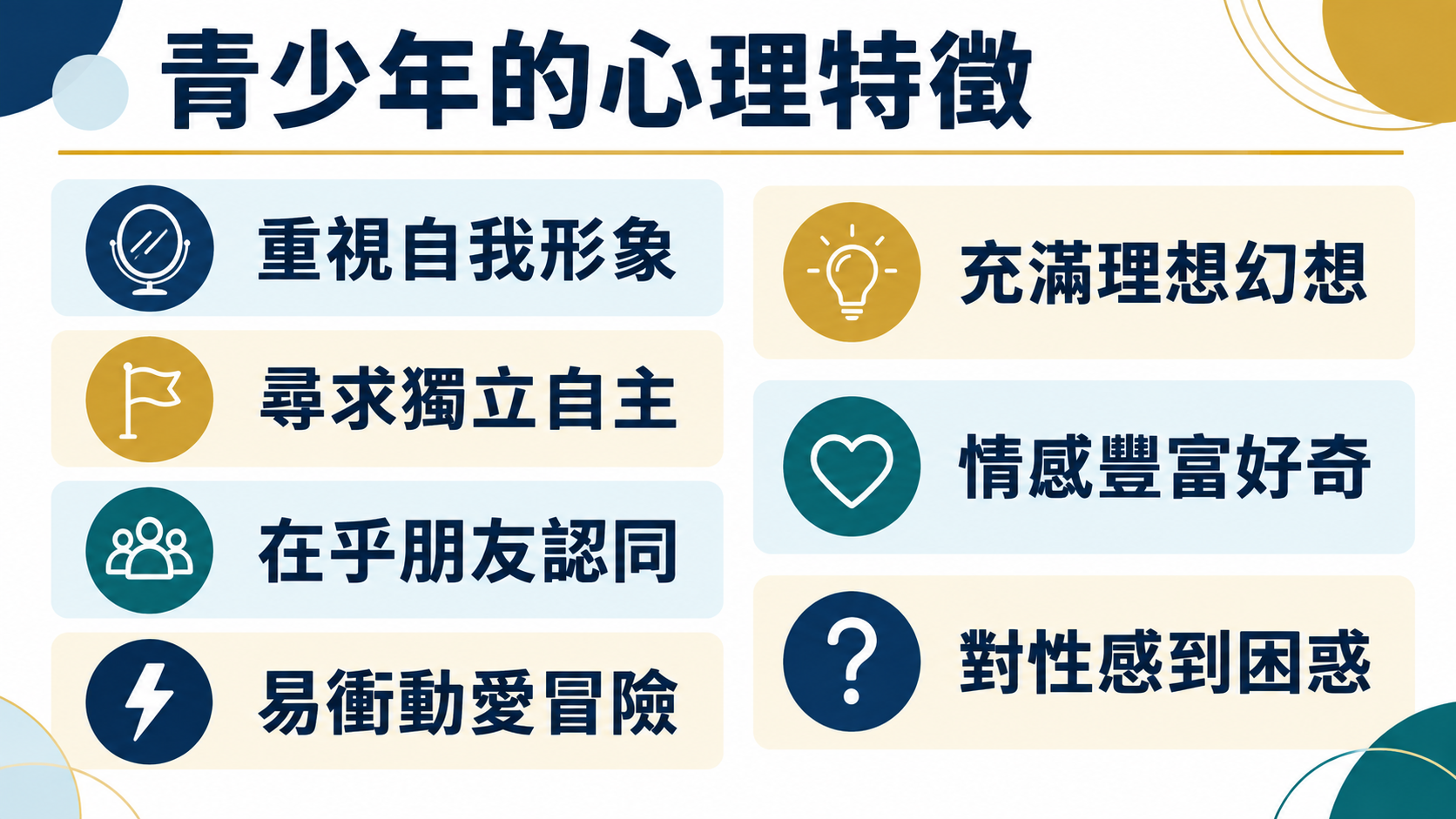
Teen Emotions and Stress
Recognize signs of stress and begin by listening to how your teen feels.
Understanding teenagers, supporting growth
A teenager struggles to stop scrolling and avoids discussing online contacts. Parents consider taking the phone away.
Illustrative dialogue for learning; not a research case quotation.
Recognize online social and recreational needs while checking what use displaces. Make it clear that asking for help will not begin with blame.
Parent: “I want to understand what matters to you online before we plan breaks.”
Teen: “I worry about missing my friends’ messages.”
Parent: “Let’s find check-in times that protect sleep. If anyone threatens you, come to me so we can handle it together.”
Make a digital help card: trusted adults, three steps—pause, check, seek help—and one shared phone-free time.
Find more family activitiesFocus on account security and shared rules with younger teens; add fact-checking, financial caution and self-management with older teens.
Seek counseling when use seriously disrupts daily life. In Taiwan, call 165 for scam advice and 113 for protection concerns such as sexual exploitation; contact police for immediate danger.
If there is immediate risk of self-harm or injury, stay with the young person when safe and call 119 or 110 in Taiwan. For emotional support call 1925; for protection concerns call 113. Outside Taiwan use local services.
This is family education guidance, not a diagnosis or substitute for professional care.
These sources inform general support and help-seeking guidance. The activities and dialogue examples are educational applications.
Recognize signs of stress and begin by listening to how your teen feels.
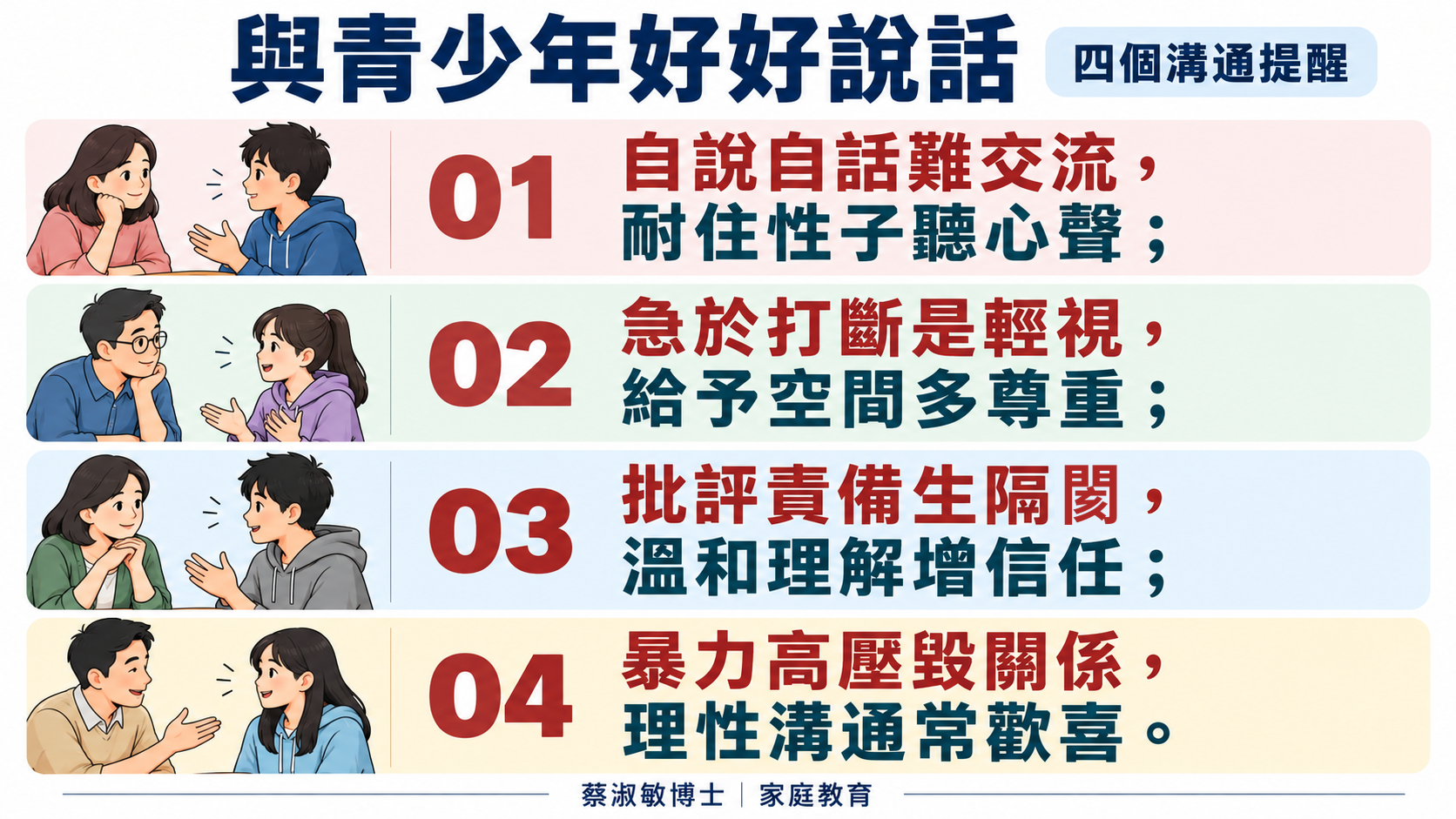
Talk together about freedom, responsibility and family agreements.
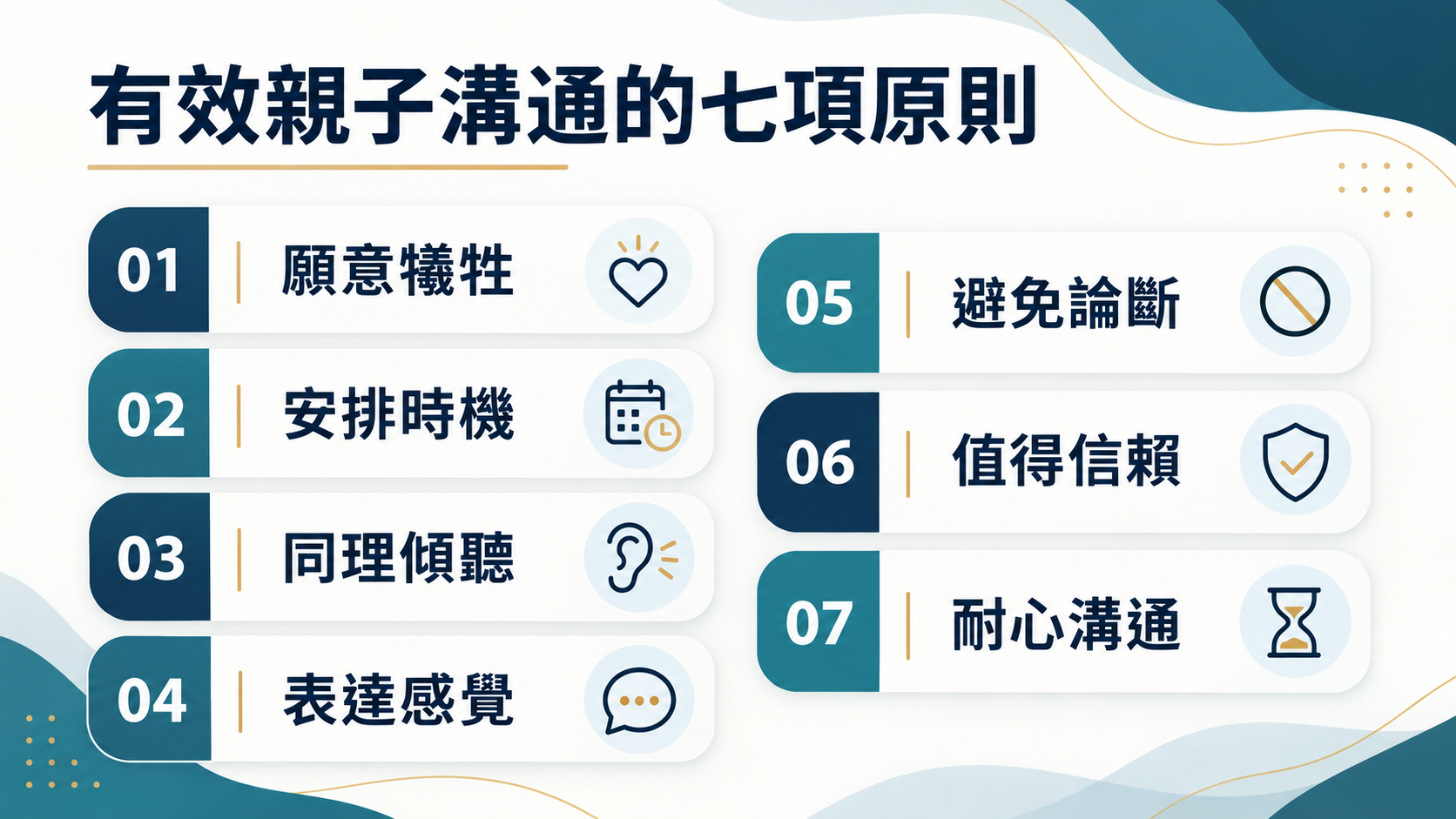
Practice listening and expressing feelings in everyday conversations.