
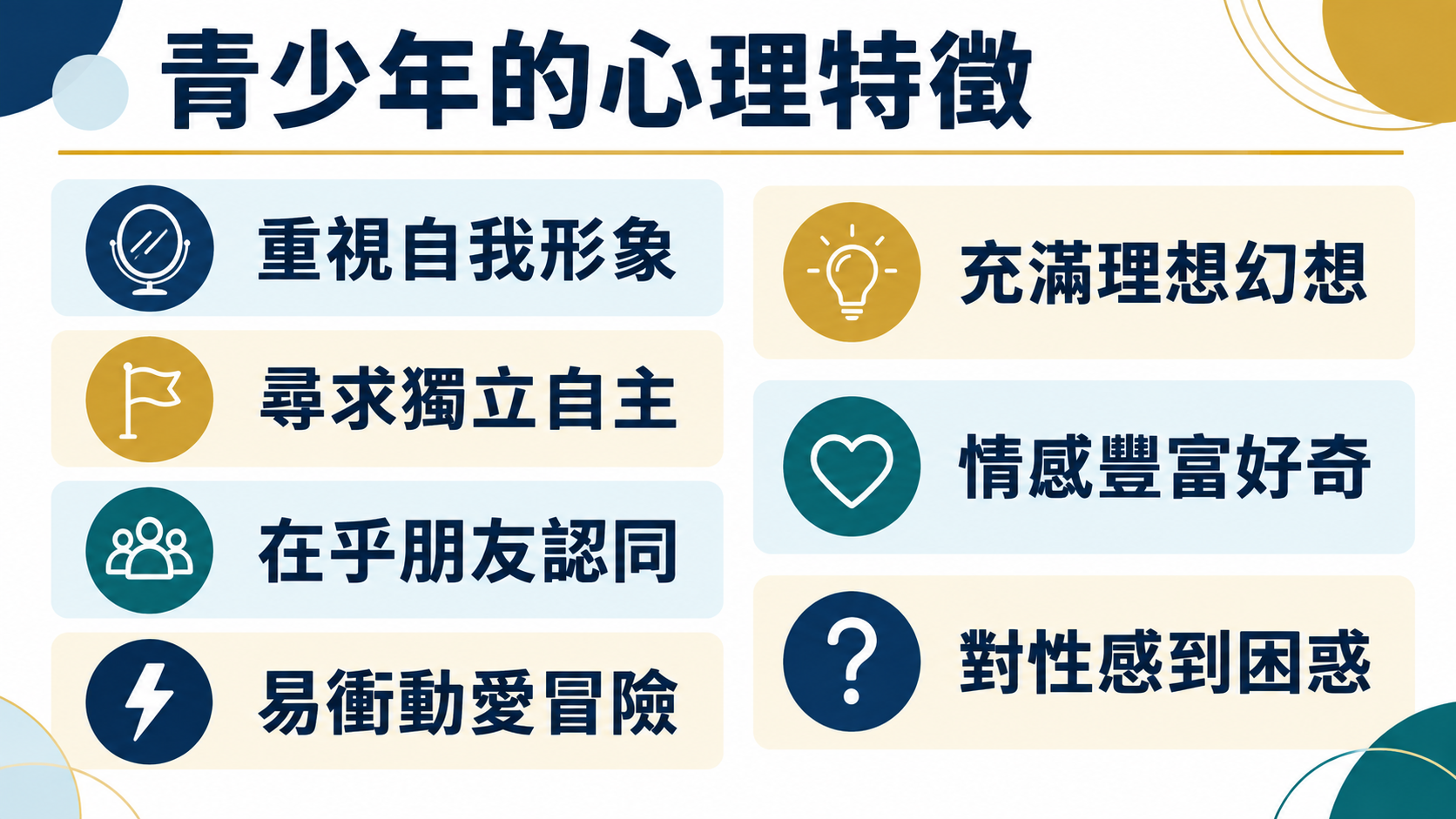
Teen Emotions and Stress
Recognize signs of stress and begin by listening to how your teen feels.
Understanding teenagers, supporting growth
A teenager is excluded from a group chat or says after a breakup, “You do not understand. Leave me alone.”
Illustrative dialogue for learning; not a research case quotation.
Avoid dismissing the loss. Understand what the relationship meant before discussing respect, boundaries and warning signs.
Parent: “Losing someone important hurts. I will not make fun of you. Want to tell me what happened?”
Teen: “They say sharing my password proves love.”
Parent: “You can care about someone and still have boundaries. Let’s plan a safe response.”
Use fictional situations about secrecy, refusal and unwanted contact. Practice one boundary statement and name a trusted adult; personal disclosure is optional.
Find more family activitiesYounger teens can practice friendship boundaries and resisting pressure. Older teens can discuss consent, breakups and expectations. These principles apply across genders.
Seek school and protection services for ongoing bullying, threats, stalking, sexual violence or intimate-image extortion. Family discussion alone is not enough.
If there is immediate risk of self-harm or injury, stay with the young person when safe and call 119 or 110 in Taiwan. For emotional support call 1925; for protection concerns call 113. Outside Taiwan use local services.
This is family education guidance, not a diagnosis or substitute for professional care.
These sources inform general support and help-seeking guidance. The activities and dialogue examples are educational applications.
Recognize signs of stress and begin by listening to how your teen feels.
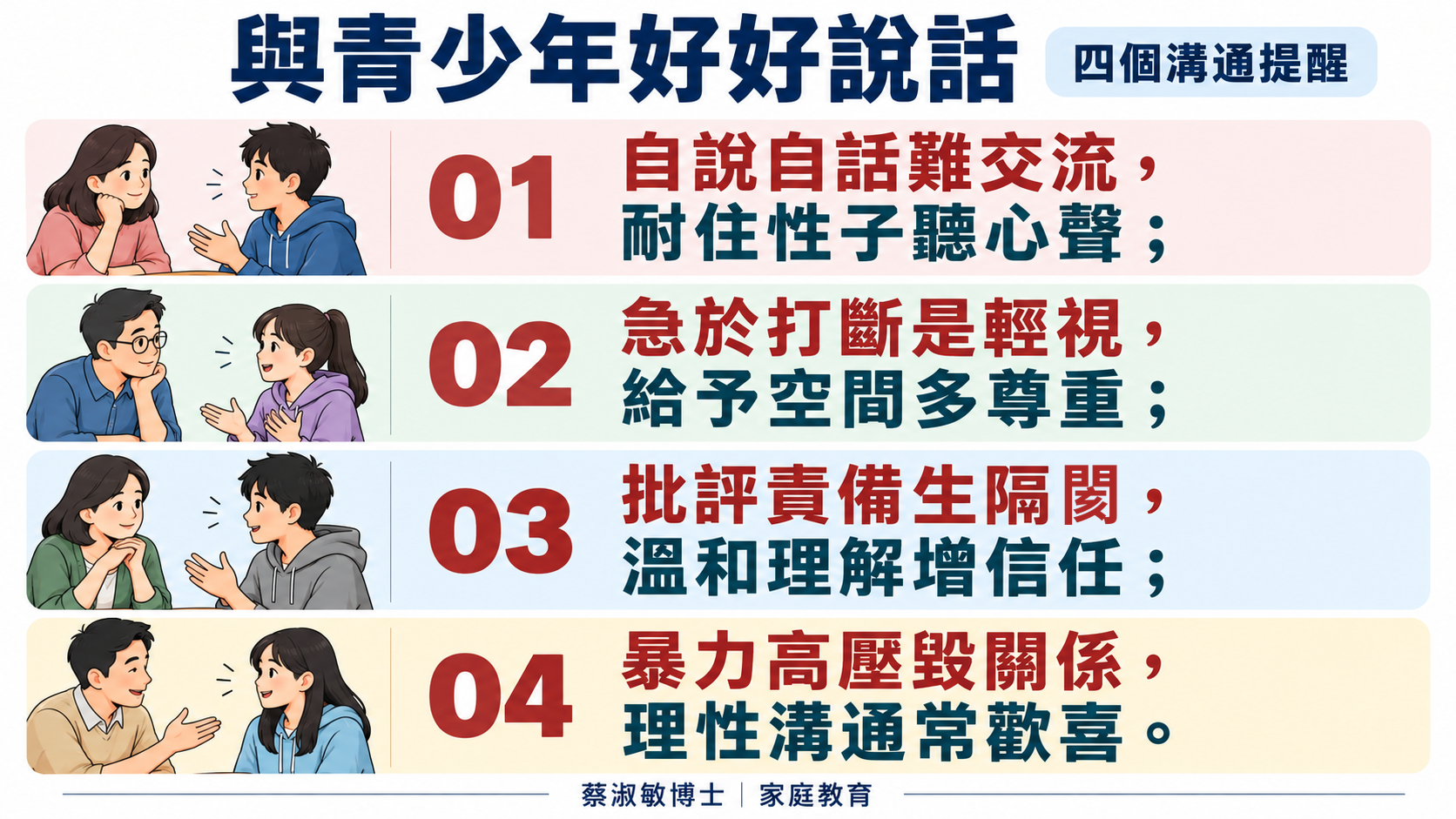
Talk together about freedom, responsibility and family agreements.
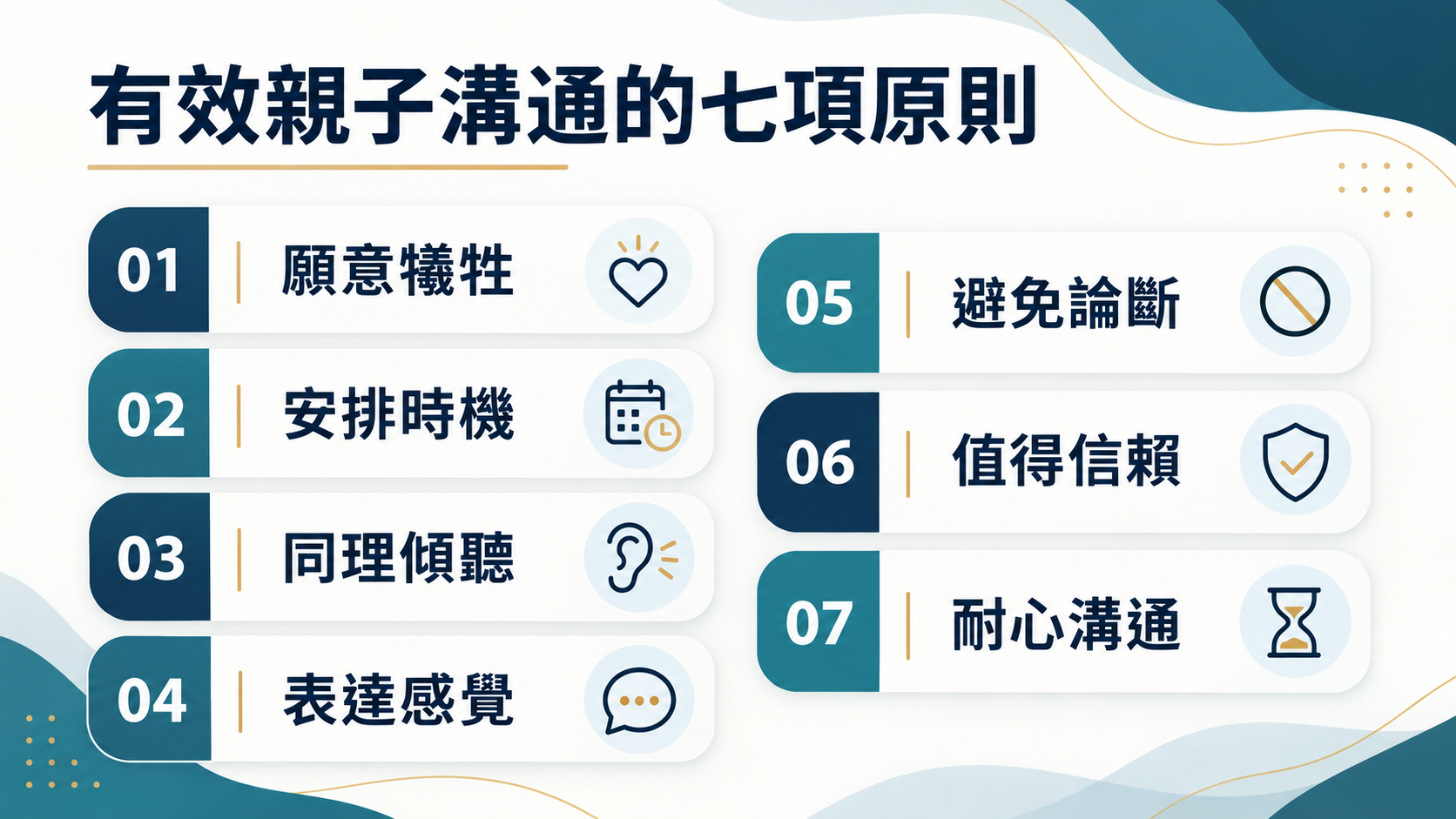
Practice listening and expressing feelings in everyday conversations.