
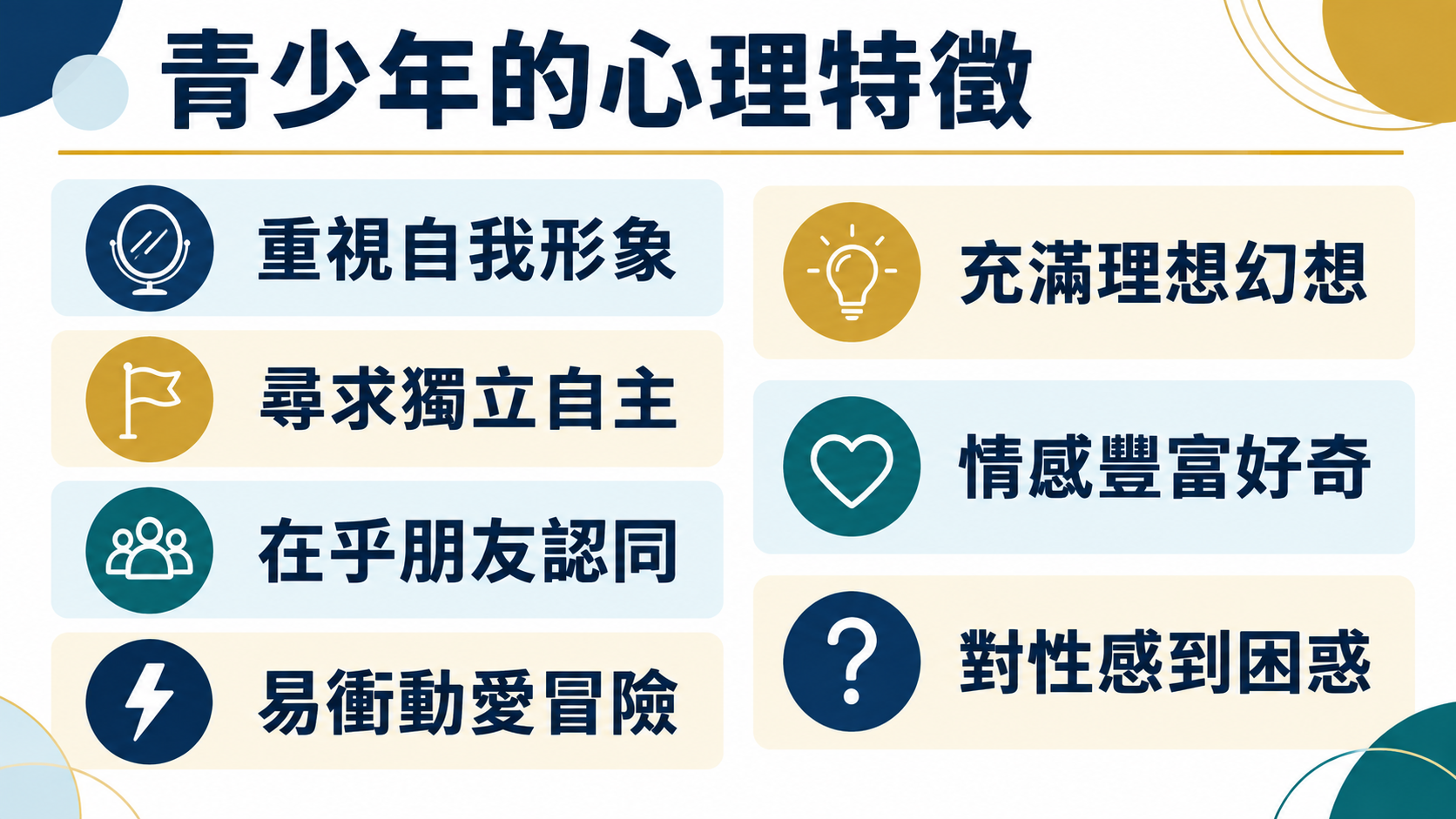
Teen Emotions and Stress
Recognize signs of stress and begin by listening to how your teen feels.
Understanding teenagers, supporting growth
A teenager criticizes their appearance and says, “Everyone is better than me.”
Illustrative dialogue for learning; not a research case quotation.
Acknowledge the pain of comparison before reassuring. Notice abilities, relationships and values beyond looks and grades, and respect differences in interests and expression.
Parent: “Feeling not good enough is exhausting. What has made it stronger lately?”
Teen: “Everyone looks better and does better.”
Parent: “I want to understand. Your worth is more than appearance and grades. Let’s reconnect with what matters to you.”
Name one specific action by each family member and the strength it showed. Let each person choose a skill to develop, without labels such as “the smart one.”
Find more family activitiesYounger teens can explore interests, belonging and body changes. Older teens can consider values and future roles. Allow answers to evolve.
Seek clinical assessment when body concerns involve restrictive eating, purging, excessive exercise, self-harm or persistent withdrawal. Reassurance alone may not be enough.
If there is immediate risk of self-harm or injury, stay with the young person when safe and call 119 or 110 in Taiwan. For emotional support call 1925; for protection concerns call 113. Outside Taiwan use local services.
This is family education guidance, not a diagnosis or substitute for professional care.
These sources inform general support and help-seeking guidance. The activities and dialogue examples are educational applications.
Recognize signs of stress and begin by listening to how your teen feels.
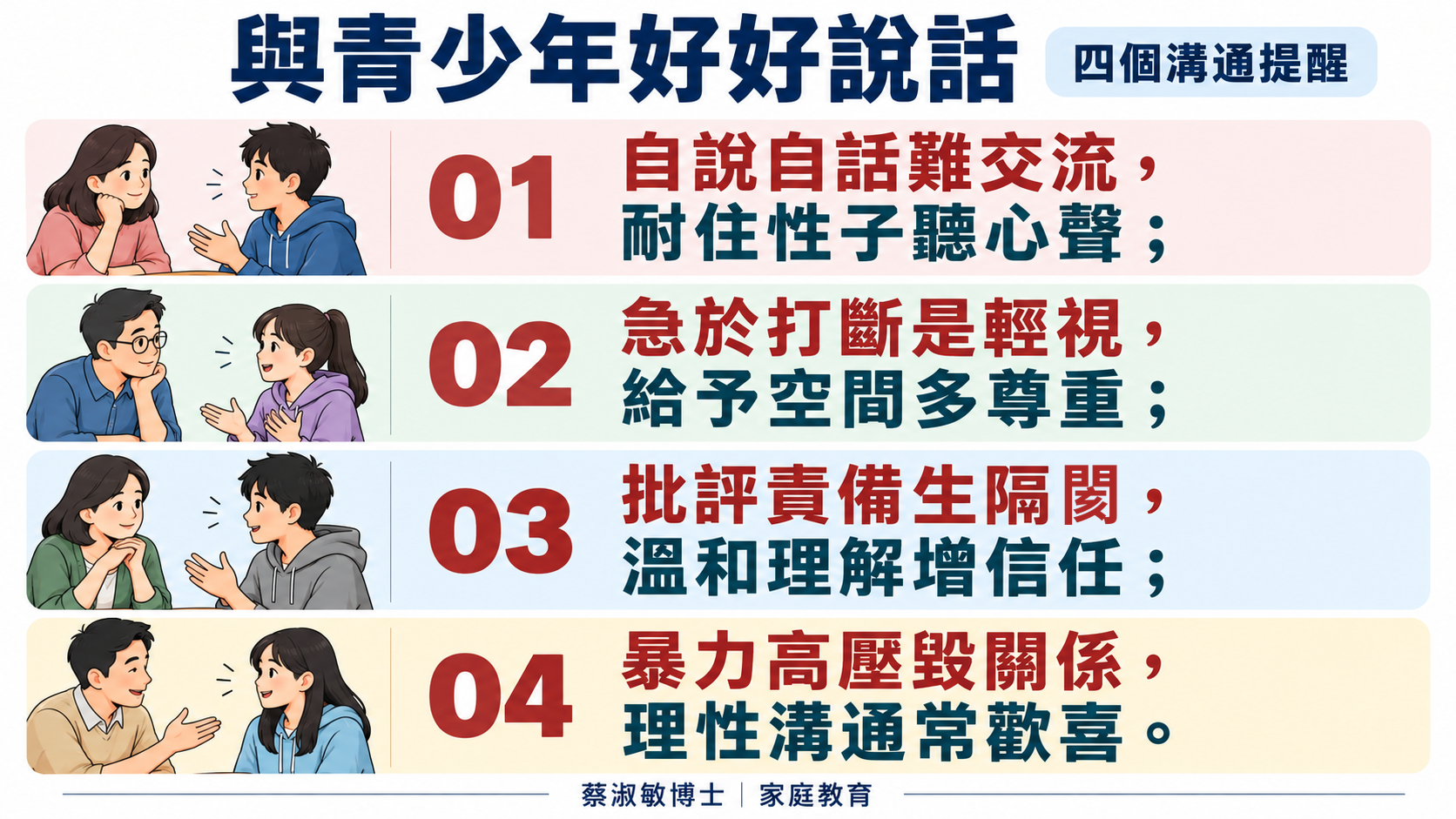
Talk together about freedom, responsibility and family agreements.
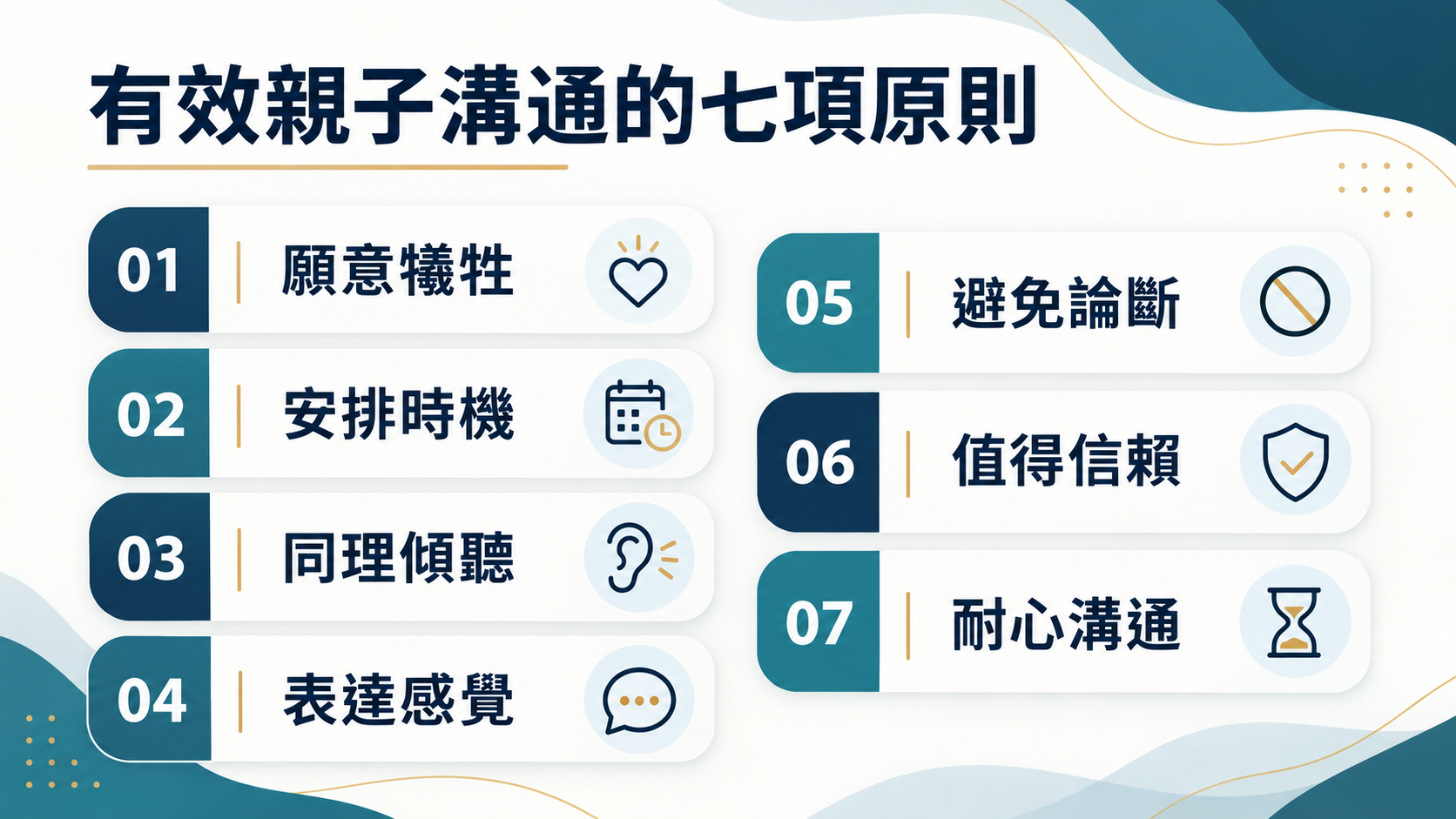
Practice listening and expressing feelings in everyday conversations.