
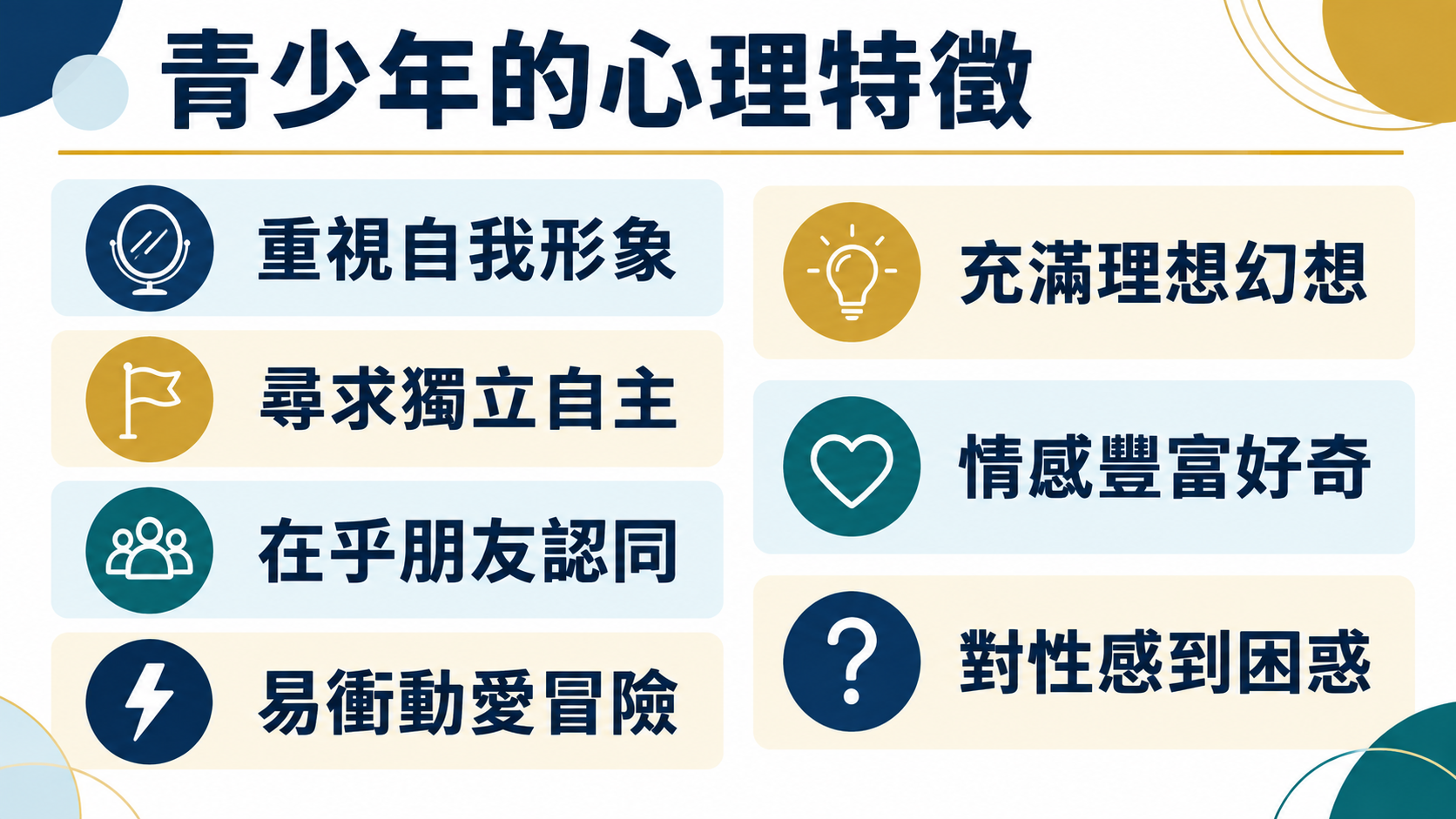
Teen Emotions and Stress
Recognize signs of stress and begin by listening to how your teen feels.
Understanding teenagers, supporting growth
A teenager loses interest in school or wants a field of study different from their parents’ hopes.
Illustrative dialogue for learning; not a research case quotation.
Ask whether disengagement reflects fatigue, frustration, unclear methods or different goals. One grade does not define ability, and exploration need not settle a lifetime career.
Parent: “I want you to have choices, without deciding solely from my experience.”
Teen: “I want to explore design. I have not decided yet.”
Parent: “Let’s find a course and someone working in the field, then compare options.”
Share an engaging activity and identify the skills involved. Choose a career to explore and prepare three interview questions; share discoveries next time.
Find more family activitiesYounger teens benefit from broad exposure and study routines. Older teens can compare courses, education paths and working conditions while participating in decisions.
Seek help from teachers, counselors or relevant professionals when school refusal, anxiety, disrupted sleep or learning difficulties persist and affect daily life.
If there is immediate risk of self-harm or injury, stay with the young person when safe and call 119 or 110 in Taiwan. For emotional support call 1925; for protection concerns call 113. Outside Taiwan use local services.
This is family education guidance, not a diagnosis or substitute for professional care.
These sources inform general support and help-seeking guidance. The activities and dialogue examples are educational applications.
Recognize signs of stress and begin by listening to how your teen feels.
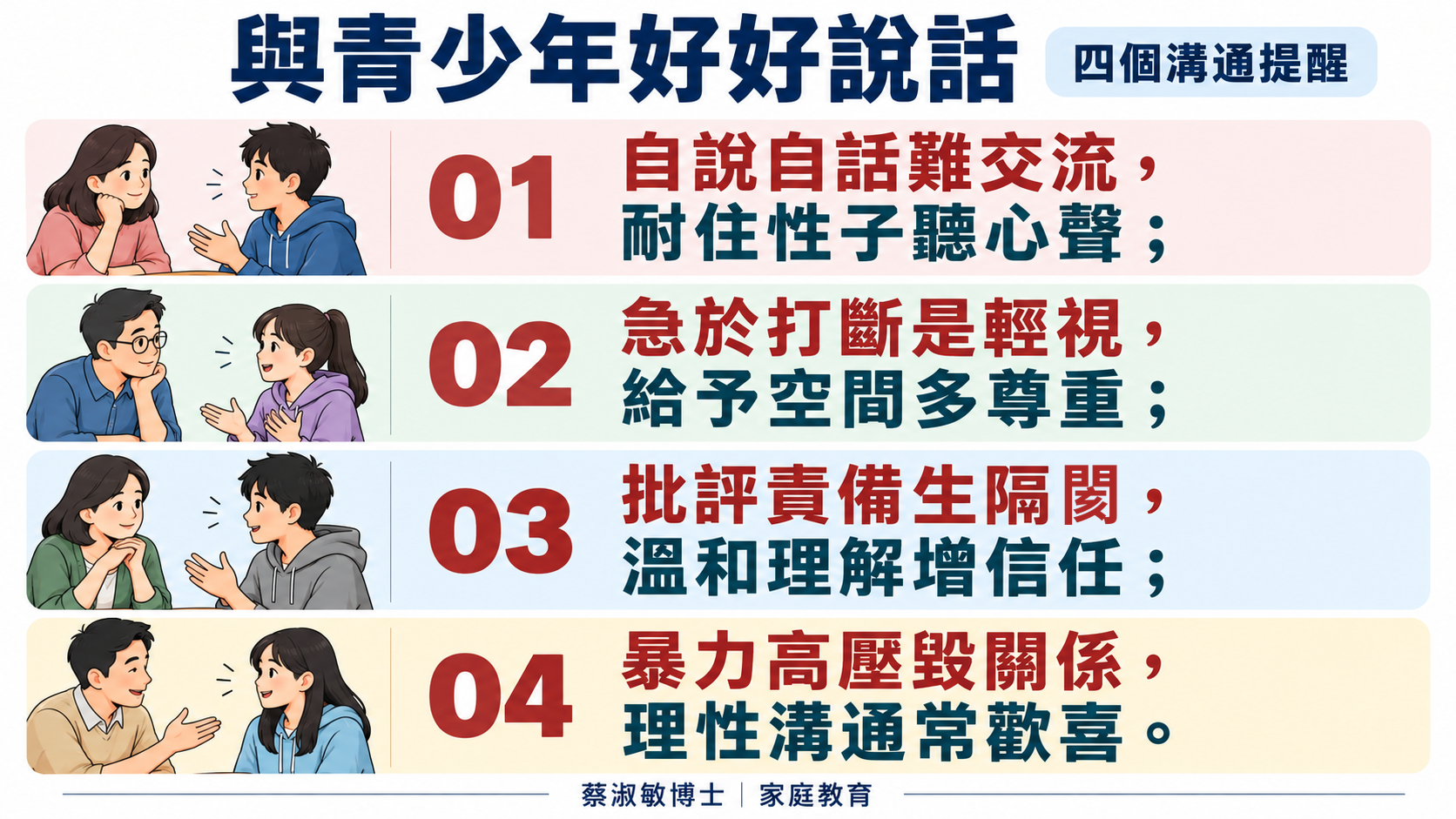
Talk together about freedom, responsibility and family agreements.
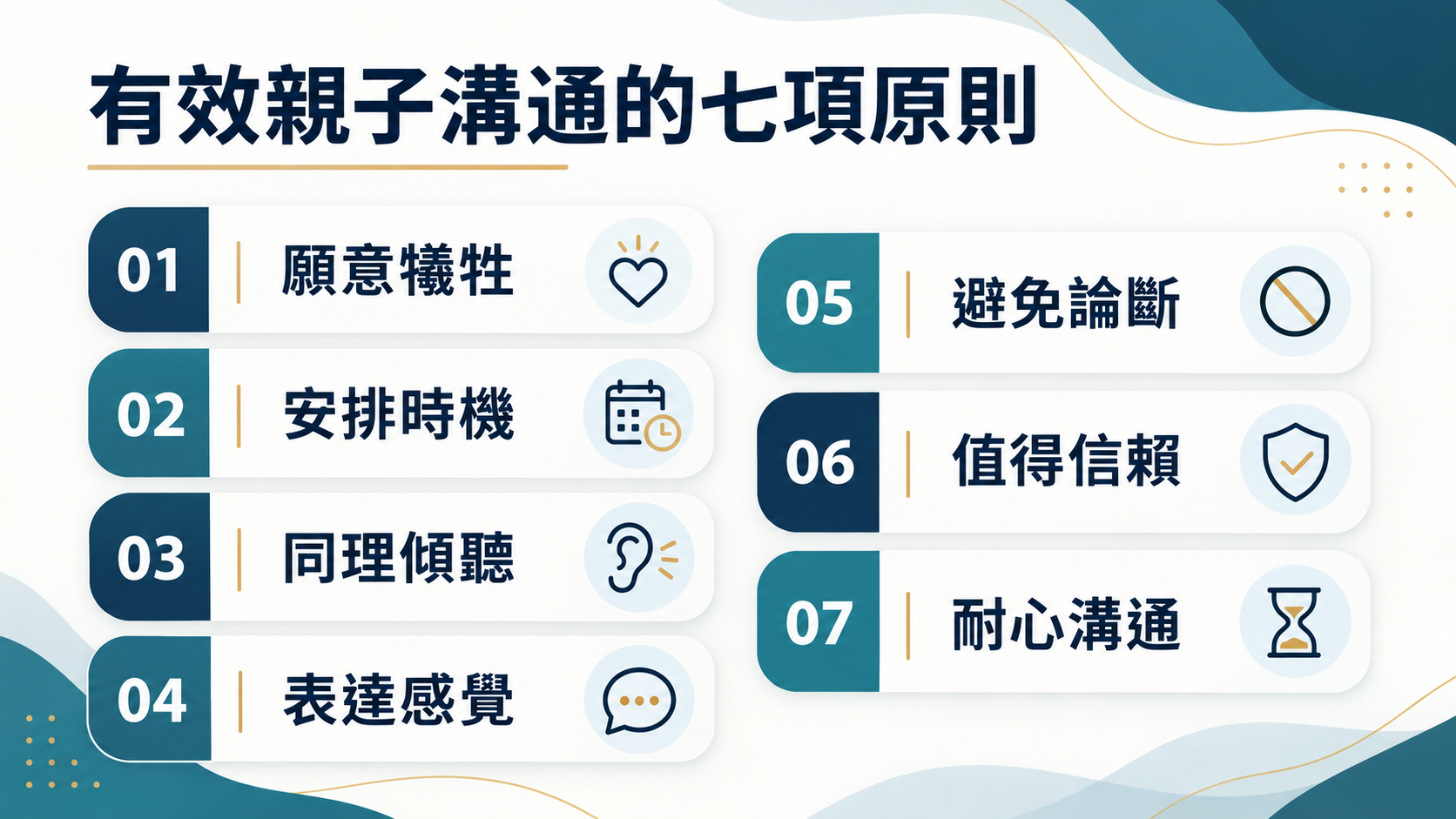
Practice listening and expressing feelings in everyday conversations.